Animal Protection and Resource Center
Dedicated to the Abolition of Animal Exploitation and Suffering
Animal Protection and Resource Center
Dedicated to the Abolition of Animal Exploitation and Suffering

Animal Protection and Resource Center
Dedicated to the Abolition of Animal Exploitation and Suffering
Our Initiatives
Current Projects
Transforming animal welfare through targeted interventions, policy advocacy, and community empowerment

Kajiado Donkey Welfare Project
In Kajiado County, over 3,000 donkeys are used daily to transport water, firewood, and crops. Despite their vital role, they suffer from lack of veterinary care, poor harnessing, and overwork.
Our Interventions
- Mobile Veterinary Clinics: Three times annually in four towns, offering free treatment, essential medication, and owner education
- Local Veterinary Support: A full-time vet assistant stationed in Kajiado to provide ongoing care, training, and community support
Expected Impact

Animal Cruelty Enforcement (ACE) Act
Many cases of animal cruelty in Kenya go unprosecuted due to enforcement gaps, despite strong links between animal abuse and human violence.
The Solution
The ACE Act would establish a dedicated division within the Department of Justice to prioritize the investigation and prosecution of animal cruelty crimes, dismantling illegal practices like dogfighting and cockfighting while curbing associated criminal activities.
Key Benefits
- Strengthened enforcement of existing animal protection laws
- Deterrence of violent criminal activities linked to animal abuse
- Creation of specialized expertise in animal cruelty prosecution
- Enhanced public safety through reduced violent crime

Creating a Cage-Free Future
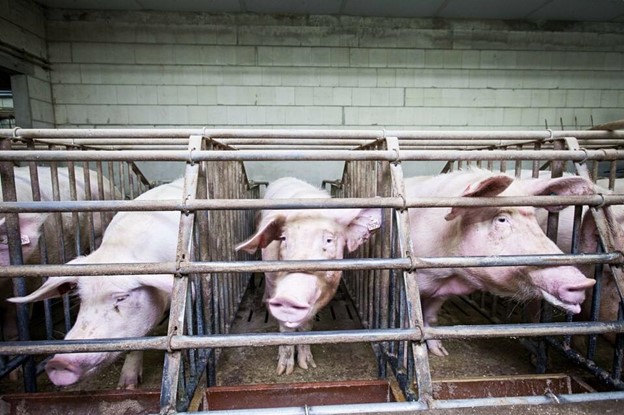
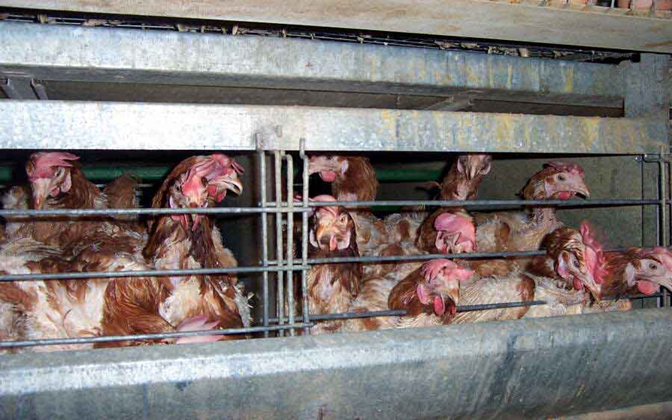
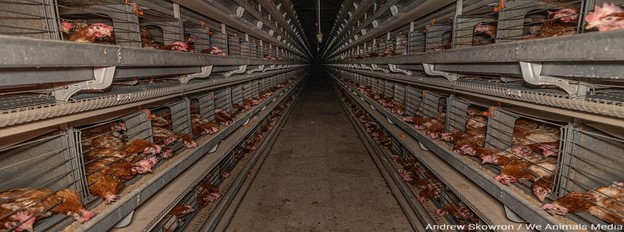
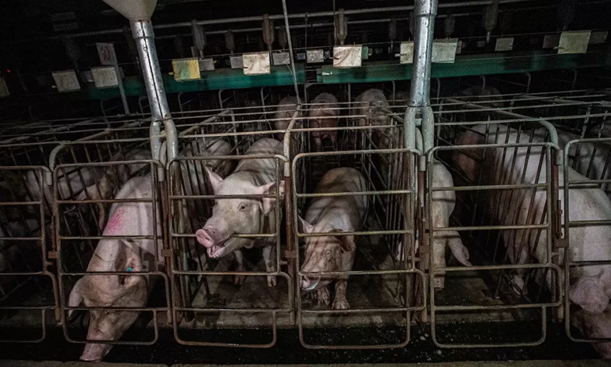
Gestation crates for pigs and battery cages for hens deny animals basic movement and dignity, causing significant suffering in industrial farming systems.
The Solution
The proposed Pigs Inside Gestation Stalls (PIGS) Act would ban crates that restrict sows' natural behaviors, while broader policy efforts aim to eliminate cages for laying hens. This will ensure uniform standards across farms and food retailers while advancing animal welfare nationally.
Our Approach
- Legislative advocacy for the PIGS Act and cage-free policies
- Corporate engagement with major food retailers and producers
- Public awareness campaigns about farm animal welfare
- Research and documentation of current farming practices

Plant-Based School Programs
APRC promotes plant-based diets to reduce environmental harm and animal suffering while promoting healthier, more sustainable lifestyles.
Educational Focus Areas
- Environmental Impact: Livestock farming drives greenhouse gas emissions, water depletion, deforestation, and ocean damage
- Health Benefits: Plant-based diets promote healthier lifestyles and reduce risk of chronic diseases
- Sustainability: Plant-based eating requires less land, water, and resources than animal agriculture
Community Impact
By adopting plant-based meals, communities can combat climate change, save water, protect oceans, prevent deforestation, and reduce animal suffering while improving public health outcomes.
Our Gallery